Solving Production Bottlenecks
Weldcoa BLOG: Inside the Fill PlaNT -Problems We Hear. Solutions We Build.
For many gas distributors, production bottlenecks rarely happen all at once.
They build gradually:
- longer fill times
- inconsistent throughput
- operator fatigue
- maintenance interruptions
- growing order pressure
At first, facilities adapt around the inefficiencies. Eventually, those inefficiencies begin controlling the operation itself.
In today’s packaged gas environment, even small delays can impact labor efficiency, customer response times, production capacity, and long-term growth.
That pressure is something Weldcoa’s leadership team discusses with distributors across the industry every day.
Why solving production bottlenecks requires more than simply adding automation
According to Weldcoa President Hector Villarreal, production bottlenecks are rarely caused by a single issue — and automation alone is not always the answer.
Every fill plant has different workflows, staffing challenges, and operational demands. Solving bottlenecks requires understanding how the entire operation functions together and building solutions around the facility’s specific needs.
THE FIELD REALITY
While leadership sees the business impact, Weldcoa Vice President of Engineering Jason Casper sees how those bottlenecks develop operationally inside the plant itself.
According to Jason, many facilities struggle with “dead time” — periods where operators or equipment are waiting instead of producing.
In traditional manual filling environments, inefficiencies often appear through:
- repeated operator intervention
- inconsistent fill sequencing
- cylinder handling delays
- manual valve adjustments
- interruptions caused by aging equipment
Over time, small interruptions throughout the workflow compound into larger production limitations.
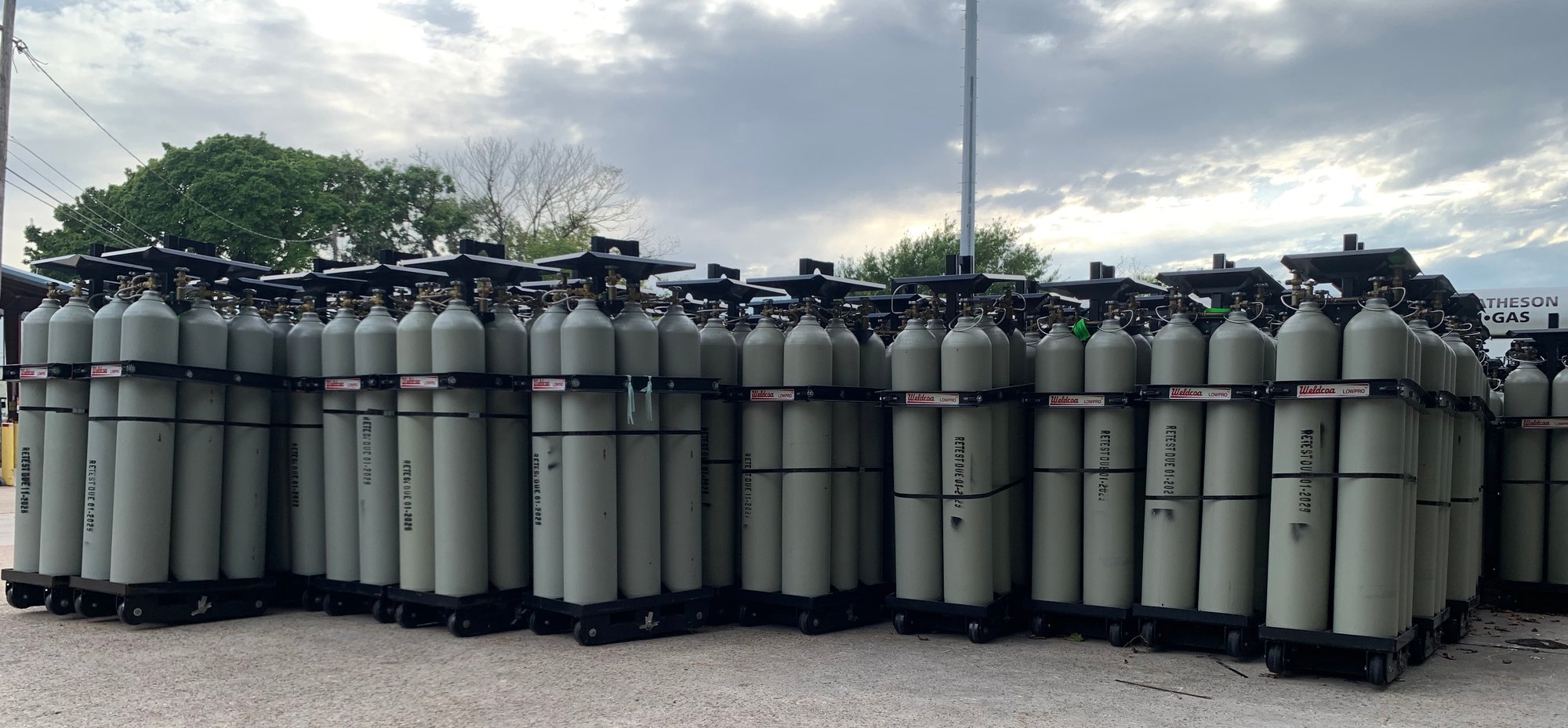
How outdated manual systems create dead time and inefficiencies
Jason Casper explains how dead time inside a fill plant quietly impacts throughput, consistency, and overall productivity.
Other common contributors include:
-
Double or triple cylinder handling
-
Congested staging lanes
-
Manual manifold limitations
-
Pumps running inefficiently
-
Lack of coordinated pump control
-
Inconsistent fill timing due to temperature and pressure compensation
-
Underutilized vertical storage
THE COST OF INCONSISTENCY
Production bottlenecks don’t just slow production numbers.
They also affect fill consistency, operator workload, maintenance schedules, and customer expectations.
As demand increases, facilities already operating near capacity often experience additional stress on both people and equipment.
Many distributors continue adapting around inefficiencies because the system is still technically functioning — even though it may no longer be operating efficiently.
That creates hidden operational costs over time.

Risks of continuing to operate older inefficient systems
Hector Villarreal discusses the long-term operational risks distributors face when aging systems begin limiting growth and efficiency.
Rather than forcing operators to work harder around inefficient systems, Weldcoa focuses on engineering solutions that remove inefficiencies from the process itself.
Automation is not simply about replacing manual tasks.
It is about creating:
- consistency
- repeatability
- safer operation
- improved traceability
- reduced interruptions
- scalable production flow
According to Jason, the best systems simplify the workflow while improving operational visibility across the plant.
Key features of Weldcoa’s automated filling systems
Jason Casper explains how Weldcoa’s automated systems are designed to improve throughput, reduce interruptions, and support long-term operational consistency.
MODULAR GROWTH & SCALABILITY
For many distributors, growth creates a difficult challenge:
How do you expand production capacity without disrupting existing operations?
Weldcoa’s modular approach allows facilities to scale over time rather than requiring a complete operational rebuild.
That flexibility becomes especially important as:
- staffing changes
- customer demand increases
- compliance expectations evolve
- facilities expand into new production needs
Systems should be able to evolve alongside the business itself.
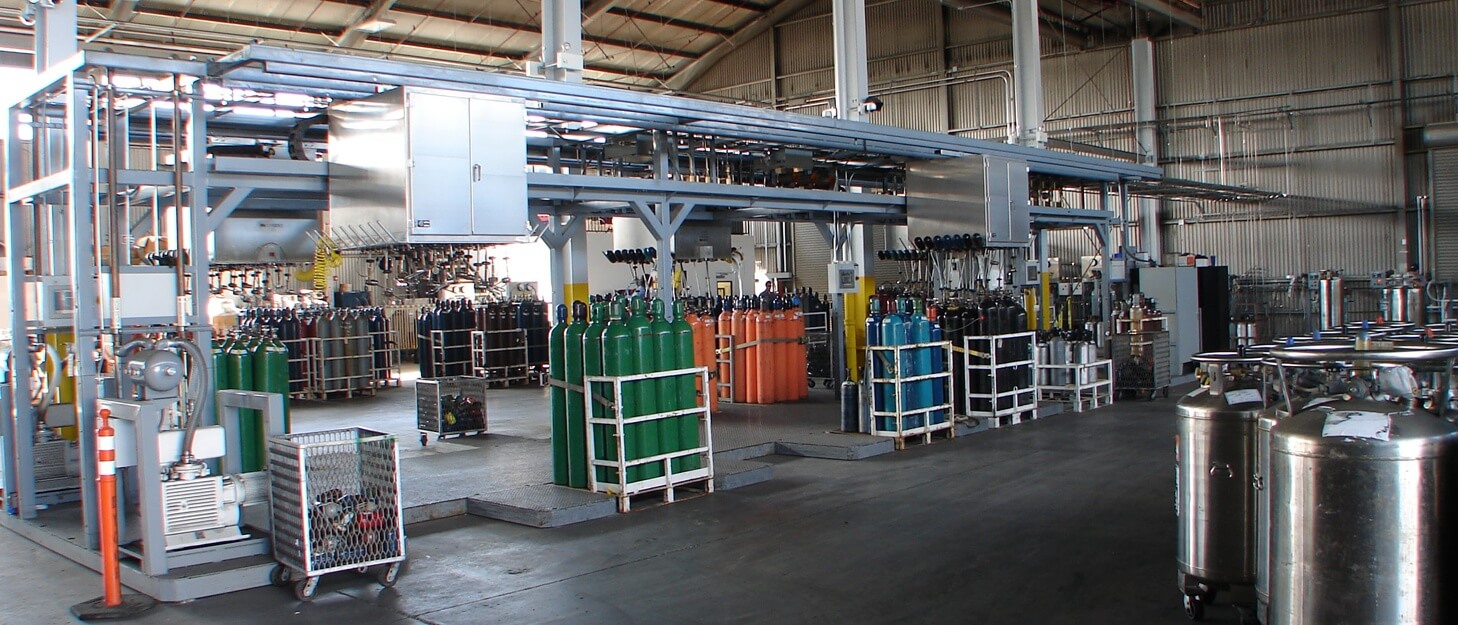
How modular automation supports scalable growth
Hector Villarreal explains why modular automation and long-term scalability have become increasingly important for modern gas distributors.
SUPPORT AFTER COMMISSIONING
For Weldcoa, the relationship does not end after startup.
Long-term operational success often depends on continued support, training, upgrades, and system evolution over time. As facilities grow and leadership transitions occur, maintaining operational consistency becomes critical.
Weldcoa continues supporting customers through:
- training
- calibration services
- software updates
- retrofits
- system expansion
- troubleshooting and field support
Because operational stability is built over decades — not just during installation.
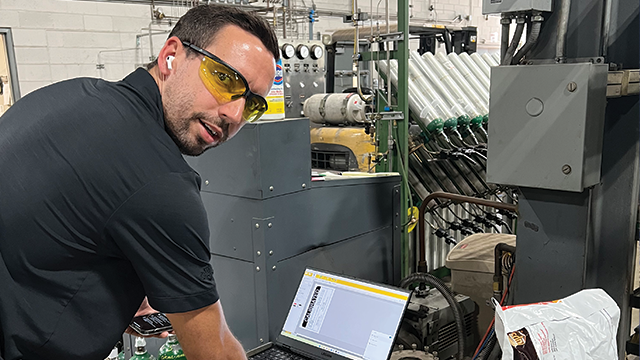
Ongoing support and training after implementation
Jason Casper discusses why long-term support, training, and operational partnership remain essential after commissioning is complete.
Production bottlenecks rarely come from a single issue.
More often, they develop gradually through years of operational strain, increasing production demands, aging infrastructure, staffing limitations, and changing customer expectations.
Solving those challenges requires more than equipment alone.
It requires:
- operational understanding
- field experience
- thoughtful engineering
- long-term planning
- and trusted partnership
That’s the conversation Weldcoa continues to have with gas distributors every day.
If you would like to discuss this further, please feel free to reach out us at solutions@weldcoa.com
Related posts
Scaling a Landlocked Facility
Many distributors operate in fixed-footprint facilities. Physical space cannot easily expand — but demand continues to grow.
Labor Constraints & Operator Consistency
Labor shortages limit production capacity. Manual systems rely on operator interpretation and consistency varies by shift and individual.
Aging Equipment & Downtime Risk
Older systems may function but often lack real-time monitoring, data logging, predictive maintenance and the hidden costs of downtime.